
Battle Rope Training for Outdoor Gyms
Mar 7, 2026Why Battle Rope Training Works So Well
One of the biggest advantages of Battle Rope training is that it doesn’t focus on just one muscle group. Instead, it involves multiple parts of the body working together. In practice, this means:
- your core works continuously to stabilise your body,
- your shoulders, back and grip are actively engaged,
- your heart rate can rise quickly, making it an effective tool for cardio and endurance training,
- the intensity can easily be adjusted to suit both beginners and advanced athletes.
If your outdoor training setup currently consists mainly of a pull-up bar and dip bars, a Battle Rope is a simple way to add a completely different type of training. It can bring more variety and intensity to your workouts without the need for additional machines or weights.
What You Need for Safe and Comfortable Battle Rope Training
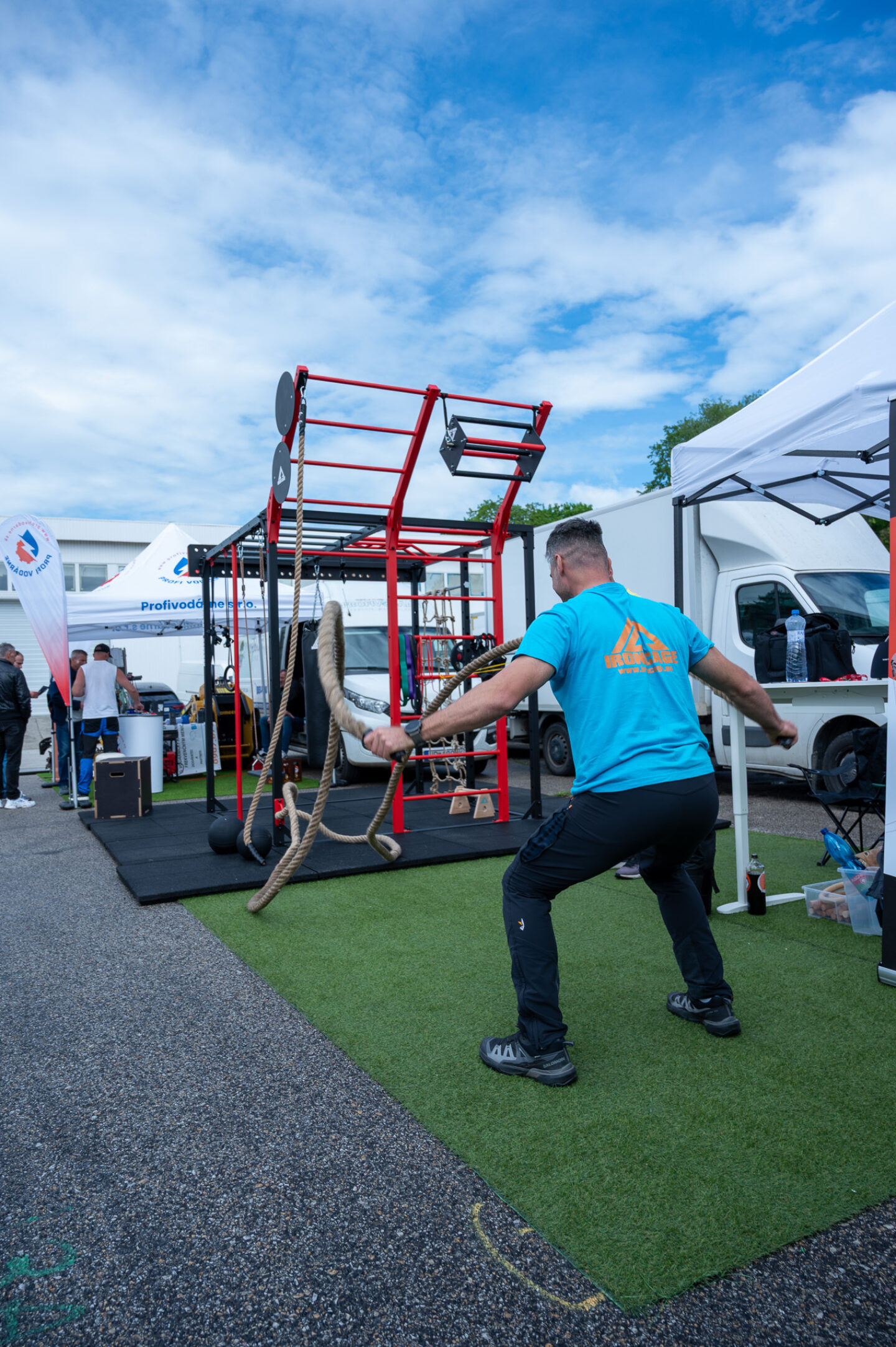
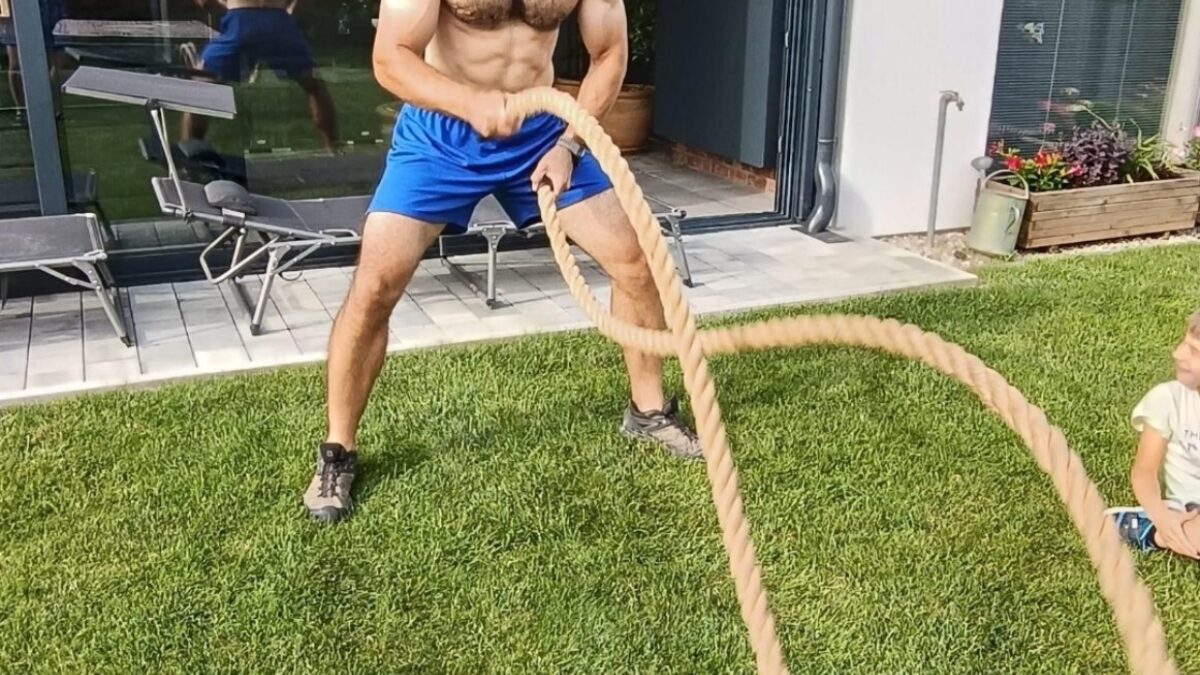
A Battle Rope is typically attached to a stable anchor point, with the exercises performed facing away from the anchor.
To train safely and effectively, there are three key things to consider:
- a secure anchor point, such as an eyelet, dedicated attachment or stable structure,
- enough clear space in front of you,
- a stable stance and proper technique.
This is why a Battle Rope is particularly well suited to a home outdoor gym or garden training setup. You have plenty of space to move, while other training stations can be easily incorporated into the same workout.
Basic Technique – Simple but Important
Before you start creating waves with the rope, check your position:
- keep a stable stance with your knees slightly bent,
- keep your back straight and chest open,
- engage your core,
- keep your shoulders down and away from your ears.
A common mistake is trying to create the waves using only your arms. While this can work, your shoulders will fatigue quickly. Once you involve your stance, core and the rest of your body, Battle Rope training becomes a much more effective full-body exercise.
Basic Battle Rope Exercises
1) Alternating Waves
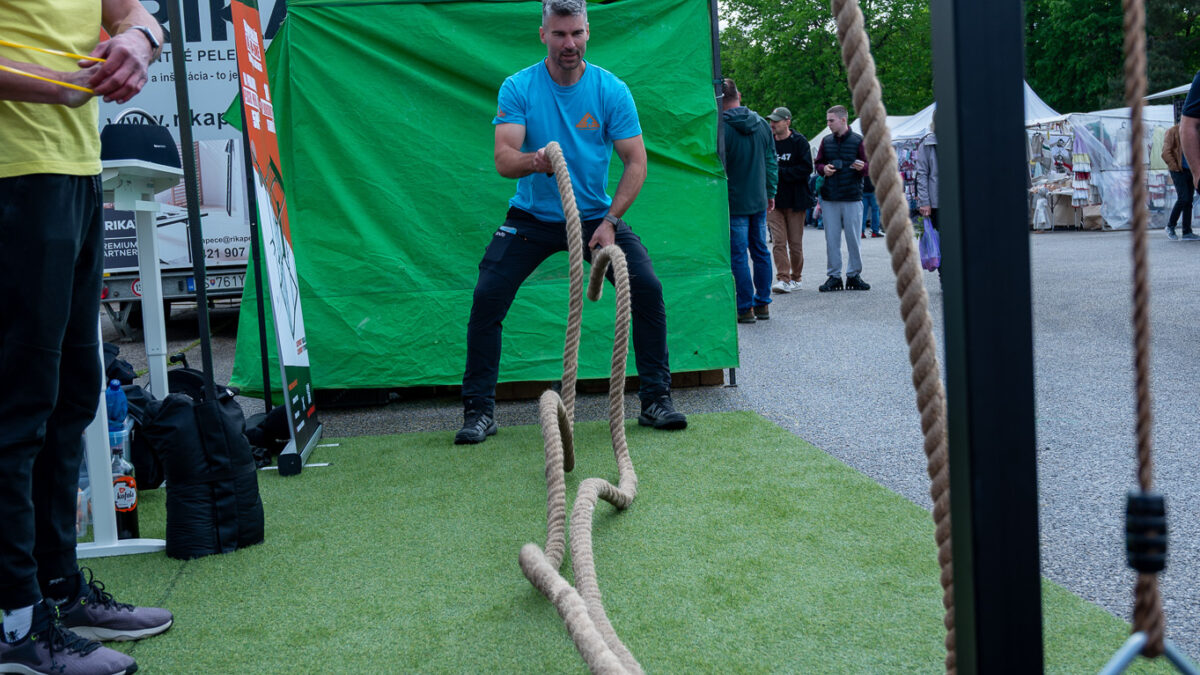
The most common Battle Rope exercise. Move one arm up while the other moves down, alternating continuously to create a steady rhythm.
Why it works: quickly raises your heart rate and helps develop rhythm and coordination.
Tip: keep your core engaged and avoid arching your lower back.
2) Double Waves
Move both arms up and down at the same time to create simultaneous waves with the rope.
Why it works: a simple movement that can quickly become a highly demanding full-body exercise.
Tip: don’t rely only on your wrists and arms – involve your whole body in the movement.
3) Slams
Lift both ends of the rope and drive them powerfully down towards the ground.
Why it works: a dynamic full-body exercise that develops power and intensity.
Tip: generate the movement through your hips and knees rather than bending through your lower back.
4) Circles
Move both ends of the rope in continuous circles, either inward or outward.
Why it works: challenges the shoulders while requiring control and stability around the shoulder blades.
Tip: keep your shoulders down and maintain a controlled movement throughout the exercise.
5) Squat Waves
Perform Battle Rope waves while holding a squat position or adding small squat pulses.
Why it works: increases the involvement of your legs and core, turning the exercise into an even more demanding full-body movement.
Tip: start with short intervals – it is more challenging than it looks.
Common Mistakes – and How to Avoid Them
- Relying too much on your arms → your shoulders fatigue quickly
- Losing core stability → places unnecessary strain on your lower back
- Standing at the wrong distance from the anchor point → makes it difficult to create consistent waves
- Starting with a rope that is too demanding → makes it harder to maintain proper technique
If you have a well-designed outdoor training setup, many of these issues are easier to avoid. A secure anchor point and enough clear space allow you to find the right position and focus on maintaining proper technique throughout the exercise.
Who Is Battle Rope Training Suitable For?
Battle Rope training is suitable for:
- people looking to improve cardio and endurance without long running sessions,
- those who prefer functional, full-body training to traditional gym machines,
- families, including older children under supervision,
- personal trainers, small training groups, hotels and schools.
If you are creating a home outdoor gym or garden training setup, a Battle Rope is a versatile addition that can provide a wide range of training options for years to come.
Conclusion
Battle Rope training is simple, versatile and highly effective. With a secure anchor point and a good understanding of the basic exercises, you can create a short, high-intensity full-body workout almost anywhere – from a public outdoor gym to your own garden training setup at home.
Whether used on its own or combined with other exercises, a Battle Rope is an excellent way to add cardio, endurance and variety to your training.